Walk down Dwarka Expressway or Golf Course Extension Road and you'll see the same hoarding a dozen times: a glass tower, a pool, a smiling family and the words "luxury living redefined". Buyers see it too, and that's the problem. When every project looks and sounds the same, buyers compare on the only thing left: price per square foot. Developers end up fighting with discounts, broker payouts and bigger ad budgets.
A new brand and a strong brand identity change that. They give buyers a reason to choose your project, help you hold your price and make every rupee of marketing work harder. This guide explains how, what a real estate brand identity actually includes, and how LemonTalks® builds them for developers in Gurugram and across Delhi NCR.
Why most real estate projects struggle to stand out
- Branding starts too late. The name and logo are decided a few weeks before launch, usually alongside the brochure, with no time for real positioning.
- Every project says the same words. "Luxury", "world-class amenities", "great connectivity". None of it is false, and none of it is memorable.
- Assets don't match. The film looks premium, the website looks like a template, the brochure has a different font and the site office feels like a different project.
- Leads are expensive and unqualified. A vague brand attracts everyone, so campaigns pay for lots of enquiries from people who will never buy.
- Channel partners can't pitch it. Brokers sell what they can explain in one line. A project with no clear story gets pushed less.
- Stuck inventory with an old image. Projects launched years ago keep an outdated look even after construction moves ahead, so buyers still see "that delayed project".
Why branding matters more in real estate than anywhere else
In most industries you can try the product before you buy. In real estate, especially under-construction projects, buyers commit lakhs or crores to something they can't fully see yet. Until possession, what they are really buying is a promise: about the life they will live, the people they'll live with and the developer's ability to deliver.
A brand is how that promise is made visible. It shapes the first impression on a hoarding, the confidence a buyer feels in the sample flat and the story their family hears at dinner. That's why we say in the PLACE Method: a lead cost problem is usually a brand problem.
What a real estate brand identity actually includes
| Part | What it decides |
|---|---|
| Positioning | Who the project is for, who it is not for, and the one reason to choose it over the projects next door |
| Name | A name that is easy to say, search and remember (see our guide to naming a real estate project) |
| Story | The life the project promises, told as moments buyers can picture, not a list of amenities |
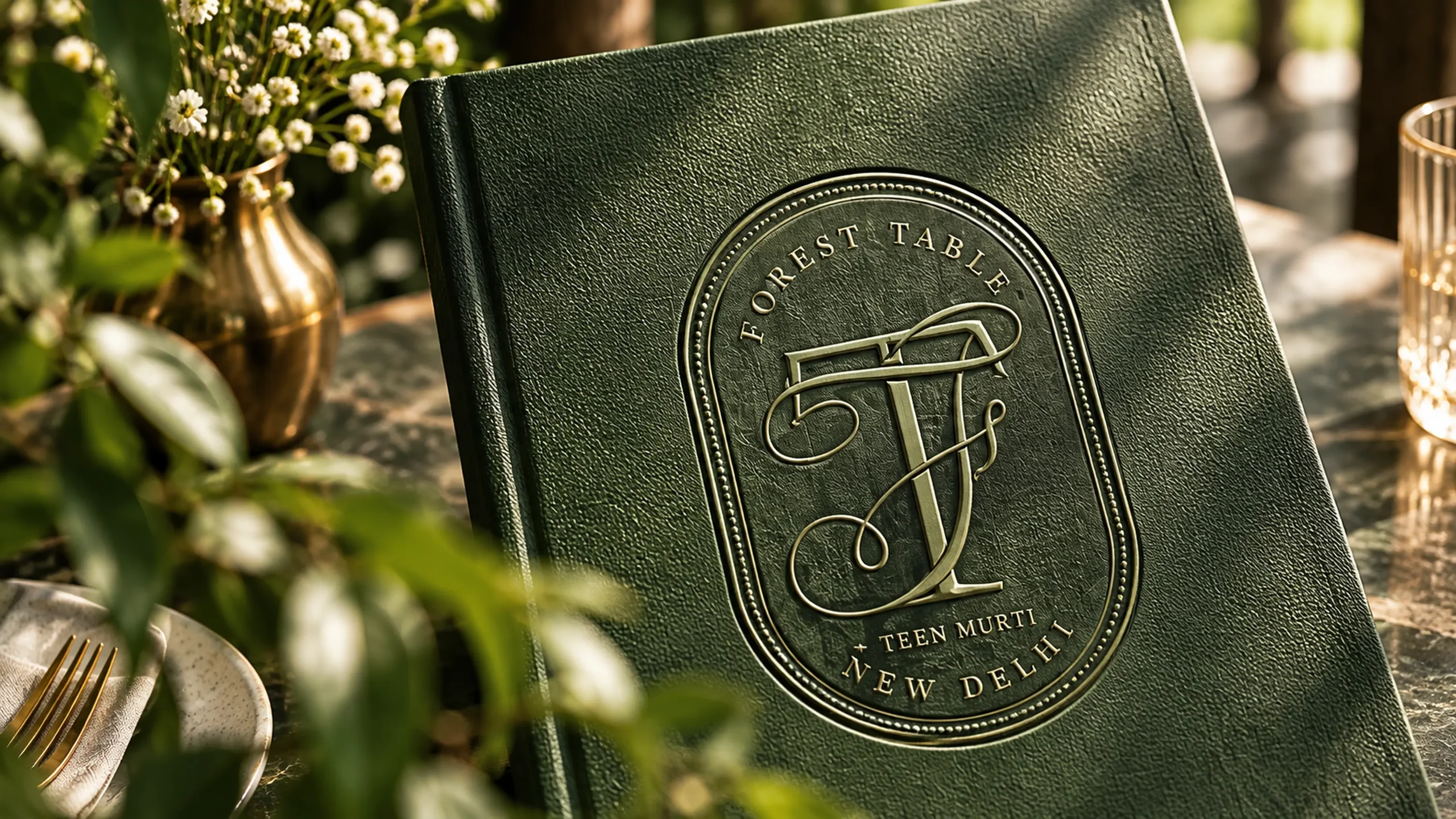
| Visual identity | Logo, colours, typography, photography and render style that work on a phone screen and a 40-foot hoarding |
| Brand assets | Walkthrough film, brochure, price sheet, project website, social templates and channel partner kit, all in one family |
| On-site experience | Site office, sample flat, signage and the sales script, matching what the ads promised |