hello@lemontalks.com
+91-7428428637
+91-9582553355

Hospitality · · 6 min read Content creation for cloud kitchens: get ordered, not scrolled past

A cloud kitchen has no dining room, so its photos, listing and Instagram are the restaurant. The content problems delivery brands face, what gets orders, and a plan that works.

Start
reading

Key takeaways

  • A cloud kitchen has no dining room, so its menu photos, aggregator listing and Instagram are the restaurant. Content is not decoration, it is the storefront.
  • Shoot for the thumbnail first: on Swiggy and Zomato a dish is judged at the size of a stamp, in under a second.
  • Run content on three tracks: menu content that converts, brand content that makes people remember you, and proof content that builds trust.
  • Plan around ordering moments (lunch at work, late-night cravings, match nights, festivals), not around a posting schedule.
  • Measure content by orders and repeat orders, not likes. Every post should push people to your listing or your own ordering link.
Content creation for a cloud kitchen brand: app listing with an Order now button

Your food might be the best biryani in Gurugram, but a hungry customer will never taste it if your thumbnail looks like every other biryani on the app. A cloud kitchen has no street frontage, no warm lighting and no waiter to recommend the special. The only things a customer sees before ordering are your photos, your name, your reviews and maybe a reel they scrolled past an hour ago.

That is why content creation for a cloud kitchen brand is not a "nice to have" social media task. It is your shopfront, your menu card and your salesperson, all at once. This guide covers the problems most delivery-only brands face, what content actually gets orders, and how LemonTalks® plans and produces it for kitchens across Gurugram and Delhi NCR.

Why cloud kitchens struggle with content

Most cloud kitchen founders are great at food and operations. Content gets squeezed between prep, vendors and aggregator escalations. The same problems show up again and again:

  • Phone photos under kitchen tube lights. Food looks flat, greasy or grey on a small screen, and the listing loses the click to a competitor with better pictures.
  • Every brand looks the same. Many kitchens run several virtual brands from one kitchen, and they all end up with the same template feed, same stock fonts and same "Order now 🔥" captions.
  • Content that ignores the aggregator. Instagram gets attention, while the Swiggy and Zomato listing, where the order actually happens, still has missing dish photos and copy-paste descriptions.
  • No reason to remember the name. Customers remember "that great butter chicken" but not the brand, so the next order goes to whoever ranks higher that evening.
  • Posting without a plan. Random posts when someone has time, instead of content timed around the moments people actually order.
  • No link between content and orders. Likes are counted, orders are not, so nobody knows which content earns its cost.

Food photography: shoot for the thumbnail first

On a delivery app, your hero dish is seen at thumbnail size, in a scroll, next to a dozen rivals. Before you think about reels, get the menu photography right. A practical brief for every dish:

  • One hero angle per dish, usually top-down for bowls and thalis, 45 degrees for burgers and stacked food, close crop for desserts.
  • Real portions in your real packaging. If the photo shows a restaurant plate and the order arrives in a plastic box, the review will say so.
  • Colour and contrast that survive a small screen: one garnish that pops, a clean background, no clutter.
  • A consistent set: same light, same background family, same crop across the whole menu, so the listing looks like one brand, not twenty uploads.
  • Short, appetising dish descriptions that say what is in it, how spicy it is and the portion size. Clear descriptions reduce wrong orders and bad reviews.

The three content tracks every cloud kitchen needs

TrackJobExamples
Menu contentTurn a browser into an orderDish photos, combo cards, "what's inside" close-ups, new item launches, price-led posts for value meals
Brand contentMake the name stickThe founder or chef story, sourcing, signature recipes, the brand's tone of voice, packaging unboxing
Proof contentRemove doubtKitchen hygiene and prep videos, real customer reviews (with permission), repeat-order stories, FSSAI and hygiene practices shown, not just claimed

Most kitchens only do the first track. The second is what lets you charge a little more than the brand next to you. The third is what gets a first-time customer to trust a kitchen they have never seen.

Plan your content calendar around ordering moments

People don't order on your posting schedule. They order when they are hungry, bored, celebrating or stuck at work. Build your content calendar around those moments:

MomentWhat to postWhere
Weekday lunch at workDesk-friendly meals, quick combos, "ready in 30 minutes" style messagesStories and ads around offices, aggregator listing banners
Late nightComfort food, desserts, "still open" postsStories, reels, late-night ad sets
Weekends and match nightsParty packs, sharing platters, group combosReels, WhatsApp broadcast to past customers
Festivals and seasonsFestive menus, monsoon specials, limited editionsAll channels, planned two to three weeks ahead
Rainy and cold daysSoups, chai-time snacks, hot comfort mealsSame-day stories and quick reels

Opening or growing a venue?

Fill tables, not just feeds.

LemonTalks® builds restaurant, café and hotel brands and the marketing around them: identity, menus, Google Business Profile, Instagram and ads that bring guests in.

What we handle

  • Naming & identity
  • Menus & signage
  • Google Business Profile
  • Instagram content
  • Launch campaigns
  • Website & reservations
See how we work
Restaurant brand identity designed by LemonTalks®

Content formats that work for cloud kitchens

  • Short reels of food in motion: the cheese pull, the tadka, the sauce pour. Ten seconds is enough.
  • "Order with me" and unboxing videos that show the packaging and portion honestly.
  • Carousel menus people can save and come back to.
  • Creator collaborations with local food creators in your delivery radius. Keep them clearly marked as paid partnerships, as ASCI's influencer guidelines require.
  • WhatsApp and SMS content for repeat customers, where you own the relationship instead of renting it from an aggregator.

Turn followers into orders you own

Aggregators bring discovery, but every order there comes with commission and someone else's rules. Content should slowly move loyal customers to channels you own: a simple ordering website, WhatsApp ordering, or ONDC-connected apps. Put your own ordering link in your bio, packaging inserts and stories. Even a small shift of repeat customers to direct orders improves margins. A fast ordering website and a local SEO setup help people who search "biryani delivery near me" find you directly.

How LemonTalks® helps cloud kitchen brands

LemonTalks® is a Gurugram-based branding and content agency for hospitality, real estate and consumer brands. For cloud kitchens we work in four steps:

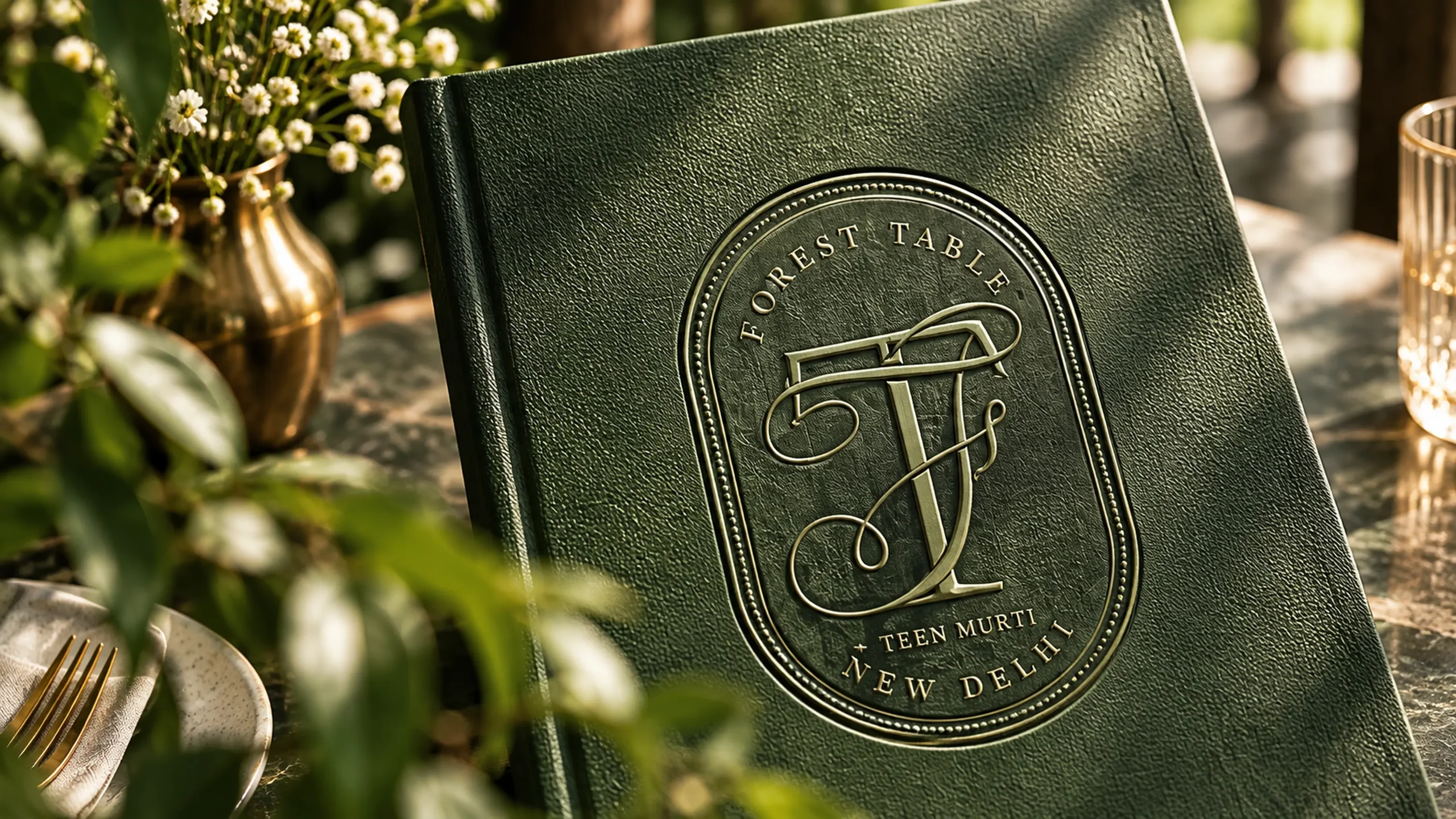
  1. Brand first. If the brand needs it, we sharpen the name, tone and look so each virtual brand stands apart. See how we built Forest Table and our restaurant branding service.
  2. Menu shoot. One planned shoot day covers hero dish photos for the listing, short reels and packaging shots, all in a consistent style.
  3. Monthly content system. A calendar built on ordering moments, with reels, stories, carousels and listing updates. Details on our content & social media page.
  4. Ads and tracking. Meta ads within your delivery radius and a simple monthly report that ties content to orders and repeat orders, through our performance marketing team.

Why food brands in Gurugram work with LemonTalks®

  • Hospitality is one of our core industries, not a side service. We understand menus, food photography and opening timelines.
  • One team for brand, content, website and ads, so your photos, captions and campaigns all look and sound like the same brand.
  • Local to Delhi NCR, so shoots happen in your kitchen, and we know the delivery areas from Cyber City to Sohna Road.
  • Clear pricing and reporting. See our packages on the pricing page; every month you see what was posted and what it did.

If you are planning a new kitchen, read our restaurant opening marketing checklist and why a restaurant brand is more than a logo. Ready to talk? Send us a short brief or book a 30-minute call.

← All insights Talk to us about your project →

Questionswe hear.

What content does a cloud kitchen need?

Three kinds: menu content that turns browsers into orders (dish photos, combos, new items), brand content that makes the name memorable (founder story, signature dishes, packaging) and proof content that builds trust (hygiene, prep, real reviews). Most kitchens only do the first.

How often should a cloud kitchen post on Instagram?

Consistency matters more than volume. Three to five feed posts or reels a week plus daily stories is a workable rhythm for most kitchens, as long as it is planned around ordering moments like lunch, late night, weekends and festivals.

Do Swiggy and Zomato photos really affect orders?

Yes. On delivery apps a dish is judged at thumbnail size in a quick scroll, so clear, consistent, appetising photos and honest descriptions help the listing win the click and reduce complaints about what arrives.

Can one kitchen run content for several virtual brands?

Yes, but each brand needs its own name, tone and visual style, or they blur into one. Plan one shoot day that covers several brands, with different styling and backgrounds for each.

How much does content creation for a cloud kitchen cost in Gurugram?

It depends on the number of brands, shoot days and monthly posts. LemonTalks® lists its content and social media packages on lemontalks.com/pricing, and can quote a custom plan after a short brief.

Packages & pricing.

For restaurants, bars, cafés and hotels, before and after opening. Start small, then scale.

Starter

Opening Audit

Try us first: a clear plan before your doors open.

Price ₹14,999/- + 18% GST one-time

What you get

  • Review of name, logo, menu, Instagram and Google profile
  • Snapshot of 5 competing venues nearby
  • Pre-opening marketing timeline
  • 45-minute call

1 week

Need a custom scope? Ask us
Growth

Hospitality Growth

For venues that are open and want more covers, bookings and reviews.

Price ₹74,999/- + 18% GST per month + ad spend

What you get

  • 16 posts a month, including 6 reels
  • 1 shoot a month
  • Meta ads for bookings and events
  • Google profile management and review replies
  • Monthly offers and events calendar
  • Monthly report

Minimum 3 months

Need a custom scope? Ask us
Signature · Recommended

Opening Package

Everything a new venue needs to open to a full room.

Price ₹3,99,999/- + 18% GST one-time

What you get

  • Name and brand idea
  • Logo and visual identity
  • Menu and collateral: menu, coasters, bill folder, signage
  • Website with online reservations
  • Google Business Profile setup
  • Pre-opening social: 12 posts and 4 reels
  • Launch photography direction
  • Opening-week review plan

8–12 weeks

Need a custom scope? Ask us

Try us first: Starter fees are credited 100% towards a Growth or Signature package of the same service, if you upgrade within 60 days. Prices in INR, plus 18% GST, added at checkout. Media / ad spend is paid by you directly to the platforms. Compare all packages →

Next step

Tell us about your project.

Start your brief
hello@lemontalks.com  /  +91-7428428637  /  +91-9582553355
Second Floor, Plot 378-379, Udyog Vihar Phase 4 Rd, Electronic City, Phase IV, Udyog Vihar, Sector 19, Gurugram, Haryana 122015
Chat with us
Call us Chat on WhatsApp